
Moving to Monaco: The Complete Relocation Guide (2026)
Monaco is compact, safe, international and beautifully placed between the French Riviera and Italy. It is also one of the most administratively detailed places in Europe to move to. Residency, banking, housing and schools all depend on one another, and the order in which you tackle them matters.
This guide brings everything together in one place: a step-by-step timeline, a moving checklist, a short summary of each topic and a link to our detailed guide on each one. It is general information rather than legal or tax advice, so please check the specifics of your situation with a professional adviser.
In this guide
- Why people move to Monaco
- Your move, step by step
- Moving checklist
- Residency and visas
- Renting or buying a home
- Monaco's districts and nearby towns
- Cost of living
- Banking
- Schools and nurseries
- Healthcare
- Moving from the UK
- Removals and furnishing your home
- Daily life and practical contacts
- Communities and networking
- Common mistakes
- Frequently asked questions
- Sources
Why people move to Monaco
The Principality consistently attracts residents looking for:
- safety and a calm, well-kept environment
- a favourable tax framework: residents, with the exception of French nationals, are not liable for personal income tax in Monaco
- a Mediterranean climate and lifestyle
- an international business community
- good travel connections, with Nice Côte d'Azur Airport and Italy close by
- high-quality healthcare and a choice of schools
- privacy and discretion
It is worth being clear-eyed, too. Monaco is competitive, short on space, administratively demanding and expensive compared with most European cities. Preparation makes all the difference.
Your move, step by step
Every move is different, but this is the order that tends to work best.
3–6 months before
- Visas and residency preparation: if you are not an EU/EEA national, apply for a French long-stay visa (type D) first, as it is required before you can apply for a Monaco residence permit. Start gathering birth certificates and marriage or divorce certificates.
- Banking: open conversations with Monaco banks early. A reference from a Monaco bank is one of the ways to show sufficient financial resources for residency, and onboarding can take time.
- School applications: contact schools as soon as you know your likely move date, as places can be limited.
- Apartment search: start viewing with local agencies and learn which districts suit you.
1–2 months before
- Lease: sign your lease. A registered tenancy agreement (or a title deed if you buy) is part of the residency file.
- Removals: get quotes, check your building's access rules and book a date.
- What to sell or bring: measure your new home and decide what will fit. Monaco apartments are often smaller and have less storage than people expect. Before paying to ship a piece, get a sense of what it might fetch locally in our Riviera Designer Resale Report 2026 or with the furniture value calculator further down this page.
- Criminal record extracts: request them for every country you have lived in during the last five years. They must be less than three months old when you apply, so time them carefully.
First weeks
- Residency appointment: submit your application online or to the Residency Section of the Police Department, then attend the individual interview you will be invited to.
- Utilities: open contracts for electricity and gas (SMEG), water (Société Monégasque des Eaux) and internet and phone (for example Monaco Telecom). A utility bill or contract is one of the accepted proofs of accommodation.
- Registration: confirm school places, register with your health cover (the CCSS if you are employed in Monaco, CAMTI if you are self-employed, otherwise private insurance) and find a GP.
First 90 days
- Anyone aged 16 or over living in Monaco for more than three months in a year needs a residence permit, so make sure your application is complete within this period.
- Finish furnishing, sell what did not fit and settle into local routines: parking, markets, public lifts and buses.
- Join a community group or two. It is the quickest way to feel at home.
Moving checklist
- Valid passport for each family member
- French long-stay visa (non-EU/EEA nationals)
- Birth certificates, less than three months old at the time of application
- Marriage or divorce certificates, if applicable
- Criminal record extracts for every country of residence in the last five years, less than three months old
- Registered lease, title deed or certificate of free accommodation
- Proof of resources: employment contract or payslips, business registration, pension statements or a reference from a Monaco bank less than one month old
- School applications and previous school reports
- Health cover arranged
- Removal quotes, insurance and building access confirmed
- Utility contracts: electricity, gas, water, internet
- Furniture plan: what to bring, what to sell, what to source locally
Residency and visas
Renting or buying a home does not make you a resident automatically. To obtain a residence permit you need to show suitable accommodation, sufficient financial resources and good character (criminal record extracts). Non-EU/EEA nationals must first hold a French long-stay visa. Applications go to the Residency Section of the Police Department, either online or in person, followed by an interview. The first permit is a temporary card valid for one year; after three years of residence an ordinary card valid for three years is available, and after ten years a privileged card valid for ten years. Timelines depend on nationality, banking and how complete your file is, so professional guidance is often worthwhile.
Read the full guide: how long Monaco residency really takes
Renting or buying a home
Most newcomers rent first while their residency is processed and they get to know the districts. Competition is strongest for family apartments, renovated homes and good furnished rentals, which are less common than people expect. Budget for the deposit, agency fees, parking and furnishing as well as the rent. Monaco's property market is relationship-driven, and a well-connected local agency can help with off-market homes, negotiations and the reputation of individual buildings.
Some of Monaco's established agencies, in no particular order:
- Savills Monaco
- Miells & Partners
- Petrini Exclusive Real Estate
- John Taylor Monaco
- Monaco Legend Properties
- Caroline Olds Real Estate
- Spark & Partners
Buying is a longer-term decision with very high prices per square metre and limited supply; many buyers rent first to be sure of the district.
Read the full guide: renting an apartment in Monaco
Monaco's districts and nearby towns
Each district has its own character, and the right choice depends on your routine, budget and family.
- Carré d'Or: the central area around Place du Casino and the Hôtel de Paris, with boutiques, restaurants and everything within walking distance.
- Monte-Carlo: elegant and central, mixing residential buildings, hotels, shopping and business.
- Larvotto: the beach district, with sea views, modern buildings and an international feel.
- La Condamine: lively and practical around the port and the market, with cafés and a strong local community.
- Fontvieille: quieter and residential beside the marina, popular with families and often with larger apartments.
- Jardin Exotique: higher up, with views, a calmer atmosphere and often more space for the price.
Many people who work in Monaco live just across the border in Beausoleil, Cap-d'Ail, Roquebrune-Cap-Martin, Menton, Èze or La Turbie. These towns are in France, so French tax and residency rules apply there.
Read the full guide: the best areas to live in Monaco
Read the full guide: living near Monaco in Beausoleil, Cap-d'Ail and Menton
Cost of living
Housing is by far the largest expense, followed by parking, schooling and dining out. Everyday groceries and utilities are closer to other expensive European cities than many expect, and shopping across the border in France or Italy is part of local life. Our cost-of-living guide sets out typical monthly budgets by category.
Read the full guide: the real cost of living in Monaco in 2026
Banking
A Monaco bank account is central to most relocations: a reference from a Monaco bank, less than one month old, is one of the ways to prove your resources for residency. Banks carry out thorough identity and source-of-funds checks, so allow time and start early. Well-known banks in Monaco include CFM Indosuez, Société Générale Private Banking, UBS, Barclays and BNP Paribas, listed as examples only.
Read the full guide: opening a bank account in Monaco
Schools and nurseries
Families can choose between Monaco's state schools, private schools in the Principality and international schools along the Riviera. Waiting lists are common for nurseries, international schools and bilingual programmes, so apply as early as you can.
- International School of Monaco (ISM): a private school offering bilingual education within the International Baccalaureate framework.
- FANB (Institution François d'Assise Nicolas Barré): a private Catholic school under contract with the Monegasque State, from nursery (age 3) through primary, collège and lycée.
- British School of Monaco: primary education based on the British system.
- Mougins British International School: English National Curriculum, IGCSE and A levels, for ages 2 to 18, in Mougins near Cannes.
- Centre International de Valbonne (CIV): a French state collège and lycée with international sections at Sophia Antipolis.
- Monaco's state schools: French-language education with good standards and full immersion.
Read the full guide: international schools near Monaco
Healthcare
The Centre Hospitalier Princesse Grace (CHPG) is Monaco's main hospital and runs the Principality's emergency department. If you are employed in Monaco you are covered by the CCSS for sickness and maternity; self-employed residents are covered by CAMTI; others usually arrange private international health insurance. Pharmacies are easy to find in every district, with an on-call rota at night and at weekends.
Read the full guide: healthcare in Monaco for new residents
Moving from the UK
Since Brexit, British nationals are treated as non-EU/EEA nationals, so a French long-stay visa comes before the Monaco residence application. Shipping belongings, bringing pets, exchanging a driving licence and moving between school calendars all need planning.
Read the full guide: moving to Monaco from the UK
Removals and furnishing your home
Building access shapes every removal in Monaco. Many buildings have set delivery windows, service lift rules and limited space for vehicles, so confirm these with the building manager before you book. Our removals guide covers quotes, access, storage and insurance, and our Best Movers guide names local firms.
Read the full guide: moving your furniture to Monaco
Read the full guide: the best movers in Monaco
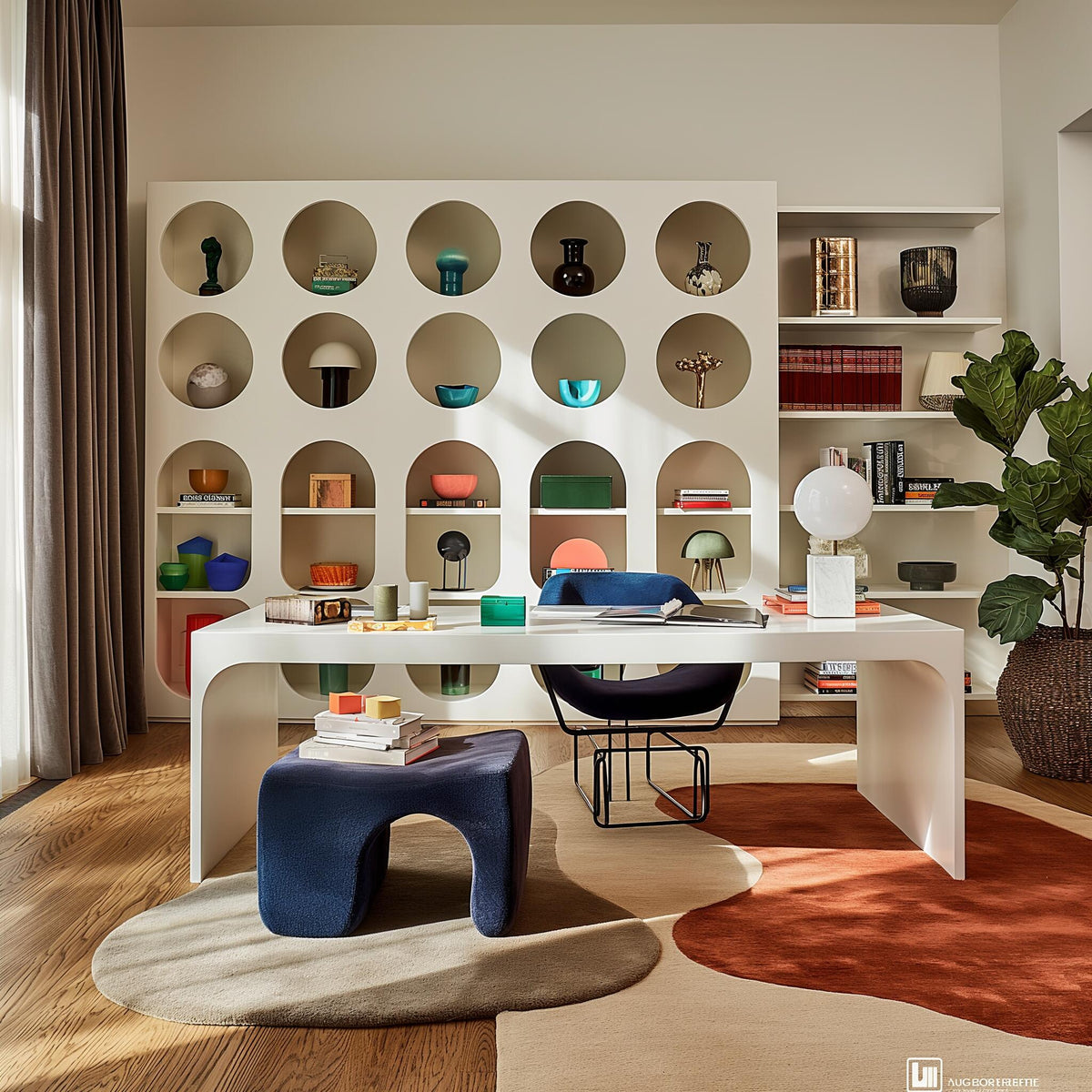
Often it is simpler to bring less and furnish locally. Meubles Monaco helps new residents with:
- Pre-owned designer furniture from homes in Monaco and on the Riviera. You reserve a piece for €25, view it in the seller's home, pay the balance online (or by bank transfer for pieces over €1,500) before collection and arrange collection with the seller. We do not deliver, but we recommend trusted local transport partners.
- Sourcing of specific designers and pieces.
- Styling and turnkey furnishing for a new apartment or a second home.
- Selling the pieces you will not take with you.
To see what pre-owned designer furniture actually sells for, our resale price guides cover Minotti, B&B Italia, Roche Bobois and more, drawing on asking prices across Europe and our own sales.
Explore turnkey furnishing, furniture sourcing, all pre-owned designer pieces, selling your furniture in Monaco and what your furniture is worth.
Daily life and practical contacts
Day-to-day life in Monaco is more practical and community-minded than outsiders expect. Most people walk, using the public lifts and escalators, and use the buses of the Compagnie des Autobus de Monaco. Nice Côte d'Azur Airport is about 45 to 55 minutes from Place d'Armes on the Line 80 express bus; by road, the journey time depends heavily on traffic. Italy is a short drive along the coast, and the Alpine ski resorts are within reach in winter.
Emergency numbers
| Service | Number |
|---|---|
| Police | 17 or +377 93 15 30 15 |
| Fire brigade and rescue | 18 |
| European emergency number | 112 |
| CHPG emergency department | +377 97 98 97 69 |
Useful services
- Residency Section, Police Department: 9 rue Suffren-Reymond, +377 93 15 30 15
- SMEG (Société Monégasque de l'Électricité et du Gaz): electricity and gas
- Société Monégasque des Eaux: water
- Monaco Telecom: internet, landline and mobile
- Parking des Salines: a large park-and-ride car park at the western entrance to Monaco
Food shopping
The Carrefour in the Fontvieille shopping centre is the Principality's only hypermarket, alongside smaller supermarkets and convenience stores in each district. The Marché de la Condamine is the local market; during its renovation, traders are working from temporary kiosks on Place d'Armes until the reopening planned for 2027.
For the year's public holidays and major events, see Key Dates in Monaco 2027, and for addresses we trust, La Liste.
Communities and networking
Monaco has a strong international and entrepreneurial community, and building relationships is one of the most valuable parts of settling in. Popular starting points include Monaco Mums, Junior Chamber International Monaco, business networking groups, yachting and hospitality networks, and sports and wellness clubs.
Common mistakes
- Underestimating housing costs: deposits, agency fees, parking, utilities, renovation and furnishing add up quickly.
- Leaving school applications too late: many schools have waiting lists.
- Assuming furnished rentals are easy to find: good ones are surprisingly limited.
- Ignoring building logistics: delivery windows, service lift rules and renovation limits.
- Starting residency and banking too late: banking and paperwork are usually what slows a move down.
Read the full guide: what nobody tells you about moving to Monaco
Frequently asked questions
Do I need a visa to move to Monaco?
EU/EEA nationals do not. Other nationals, including British citizens since Brexit, must first obtain a French long-stay visa (type D) from a French consulate before applying for a Monaco residence permit.
When do I need a Monaco residence permit?
Anyone aged 16 or over who wants to live in Monaco for more than three months in a year needs one. You must show accommodation, sufficient resources and criminal record extracts, and you will be invited to an interview.
Is there income tax in Monaco?
Residents of Monaco are not liable for personal income tax, with the exception of French nationals, who are covered by the 1963 Franco-Monegasque convention. The exemption applies to people genuinely established in Monaco and does not change the rules of other countries, so take professional advice.
Do I need a Monaco bank account to become a resident?
A reference from a Monaco bank, less than one month old, is one of the accepted proofs of resources, and in practice most new residents open an account early. Other proofs include payslips, business registration and pension statements.
Can I live in France and work in Monaco?
Yes, many people do, in towns such as Beausoleil, Cap-d'Ail and Menton. Those towns are in France, so French tax and residency rules apply to you rather than Monegasque ones.
Does Meubles Monaco deliver furniture?
No. Meubles Monaco helps you source, style and furnish your home and sell pieces you no longer need. Collection is arranged with the seller, and we recommend trusted local transport partners.
Last updated: October 2026
Sources
- Mon Service Public: how to apply for a residence permit
- Mon Service Public: the residence permit
- France-Visas: long-stay visas
- Mon Service Public: tax in Monaco
- Caisses Sociales de Monaco: about us
- Mon Service Public: emergency telephone numbers
- Monaco Committee for Women's Rights (dfm.mc): useful numbers
- Mon Service Public: educational establishments
- Institution François d'Assise Nicolas Barré
- Mougins British International School
- Onisep: Collège International, Valbonne
- SMEG
- Mon Entreprise: Société Monégasque des Eaux
- Government of Monaco: Parking des Salines
- Monaco Tribune: the Marché de la Condamine moves to Place d'Armes
- Nice Airport Xpress: Line 80 timetable
Discover more
Healthcare in Monaco for New Residents: CHPG, CCSS and Emergency Numbers (2026)
How healthcare works for new residents in Monaco: the CHPG hospital, CCSS and private insurance, night doctors, pharmacies and the emergency numbers to save.
Read more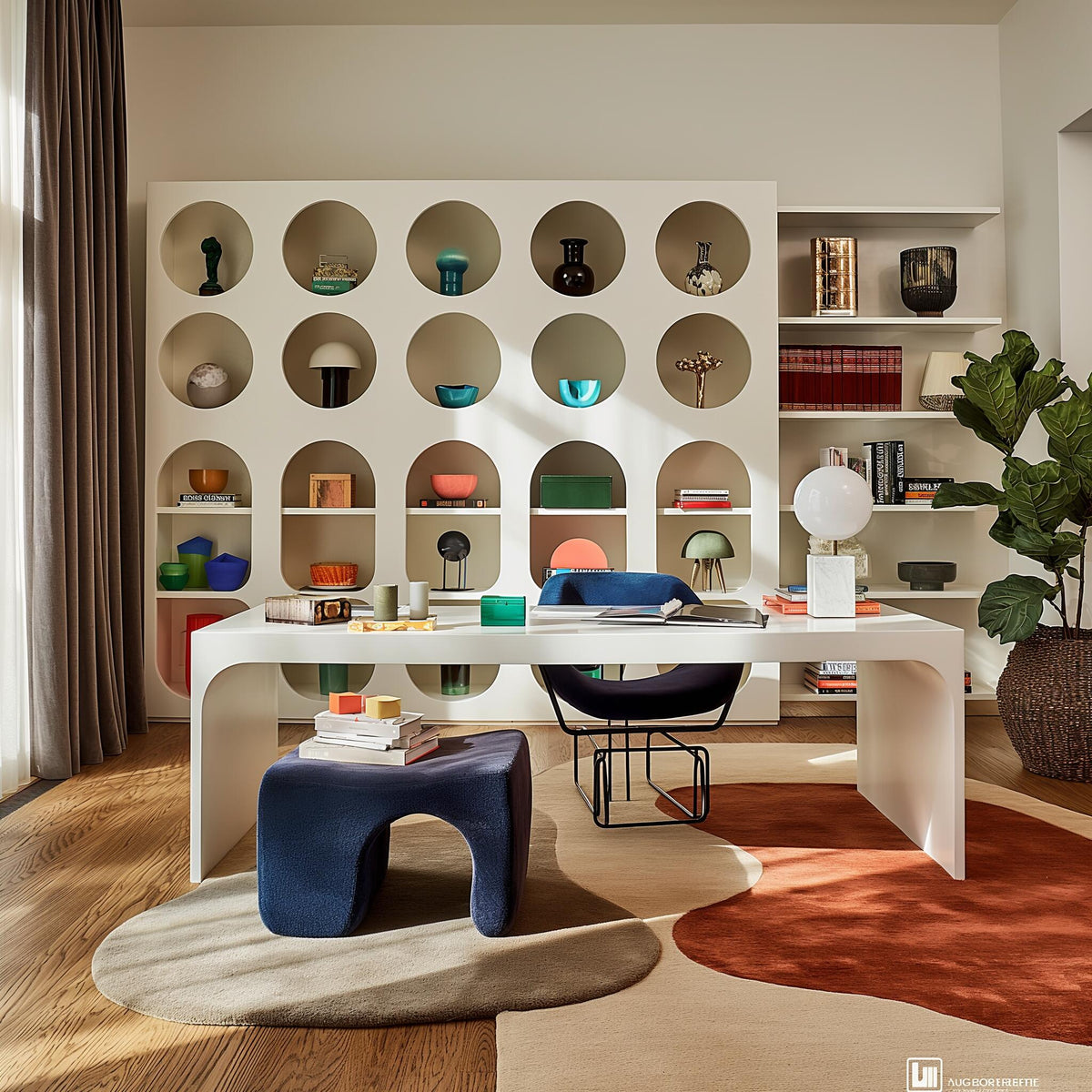
Opening a Bank Account in Monaco: Documents, Timelines and Residency (2026)
Why a Monaco bank reference matters for your residence permit, how banks here are supervised, the documents and source-of-funds evidence to prepare, and timing.
Read more
Renting an Apartment in Monaco: Process, Costs and Documents (2026)
How renting works in Monaco: the steps, the documents agents and the Residency Section ask for, deposits and fees, lease registration and furnished or unfurnished.
Read more
Moving to Monaco from the UK: Visas, Customs, Driving and Pets (2026)
A step-by-step guide for British citizens moving to Monaco after Brexit: long-stay visa via France, residence card, customs, driving licence, pets and schools.
Read more
Moving Your Furniture to Monaco: A Removals Guide (2026)
How to plan a removal to Monaco: choosing a mover, quotes, lifts and building access, reserving parking for the van, storage, insurance and what to sell first.
Read more
Living Near Monaco: Beausoleil, Cap-d'Ail, Menton and More (2026)
Beausoleil, Cap-d'Ail, Roquebrune-Cap-Martin, Menton, Èze and La Turbie: lifestyle, transport into Monaco, and why French rules apply.
Read moreWhat Nobody Tells You About Moving to Monaco
There are countless articles explaining the benefits of moving to Monaco. They talk about the sunshine, the safety, the tax advantages and the Mediterranean lifestyle. And while all of those things...
Read moreHow Long Does Monaco Residency Really Take?
One of the first questions many prospective residents ask is: "How long does it actually take to become a Monaco resident?" The answer is not always straightforward. While some applicants complete ...
Read moreThe Real Cost of Living in Monaco in 2026
Monaco is often associated with luxury yachts, supercars and some of the world's most expensive real estate. While there is no denying that the Principality comes with a premium price tag, the real...
Read more